Vowels
| Character | Manuscript Form | Notes |
|---|---|---|
|
𑌏
E
e
|
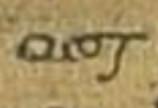
Manuscript
|
In the manuscript, it can be confused with the character 𑌣(ṇ/ɳ) |
|
𑌉
U
u
|
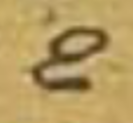
Manuscript
|
This looked very similar to the printed '𑌮' (ma) and confused me for a long time. |
|
𑌊
Ū
ū
|
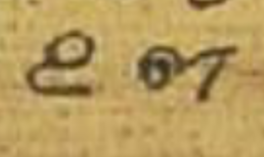
Manuscript
|
They are separated by space when written by hand. |
|
𑌋
Ṛ
ṛ
|
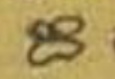
Manuscript
|
Similar to 𑌇, 𑌙, and 𑌨𑍍𑌧 visually. |
Consonants
| Character | Manuscript Form | Notes |
|---|---|---|
|
𑌖
Kha
kha
|
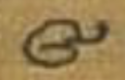
Manuscript
|
This character looks very different but it follows the same stroke pattern. |
|
𑌦
Da
da
|
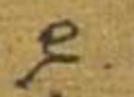
Manuscript
|
Subject to further verification. |
|
𑌰𑍂
Rū
rū
|
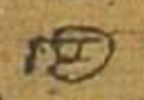
Manuscript
|
The 'rū' consonant-vowel in the manuscript form contains a loop to represent the vowel ū. |
|
𑌭
Bha
bha
|
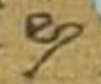
Manuscript
|
The ending stroke in the manuscript form is much more vertical. |
|
𑌗𑍁
Gu
gu
|
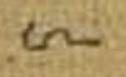
Manuscript
|
Looks like a random scribble. |
|
𑌪𑍁
Pu
pu
|
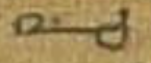
Manuscript
|
Smaller loop under the consonant than in 𑌪𑍍𑌰 |
|
𑌪𑍂
Pū
pū
|
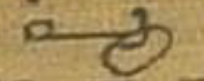
Manuscript
|
The attachment of the ū vowel marker helps detect it in other characters too. |
|
𑌝
Jha
jha
|
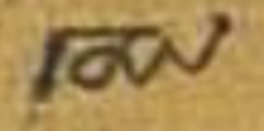
Manuscript
|
This is also one of the characters that I found difficult to identify, but it is a bit obvious in retrospect. The strokes are not as straight as in the typographic form. For some time I thought this was 𑌨𑍍𑌧 (ndh; this character is listed below). |
|
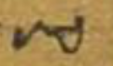
𑌯𑍁
Yu
yu
|
Manuscript
|
The u vowel marker is attached the same way as in 𑌪𑍁 |
|
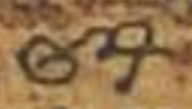
𑌳𑌿
Ḷi
ḷi
|
Manuscript
|
This character seems like a conjunct at first because how the vowel marker crosses the baseline. Thanks to reddit user u/ksharanam for the helpful discussion regarding this character. |
Conjunct Consonants
| Character | Manuscript Form | Notes |
|---|---|---|
|
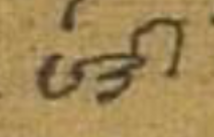
𑌗𑍍𑌨𑌿
Gni
gni
|
Manuscript
|
Subject to further verification |
|
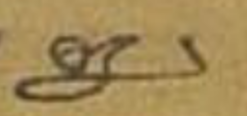
𑌞𑍍𑌚
Ñc
ñc
|
Manuscript
|
Subject to further verification |
|
𑌪𑍍𑌰
Pra
pra
|

Manuscript
|
The 'ra' part is more looped than in the typographic form. |
|
𑌦𑍍𑌯
dya
dya
|
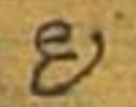
Manuscript
|
This one is a bit tricky to identify. But given the characters around it, this is the only glyph that makes a meaningful word. |
|
𑌦𑍍𑌵
dwa
dva
|
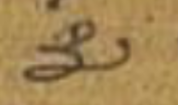
Manuscript
|
In hindsight, this is an obvious identification, but this was one of the hardest graphemes to identify since it looks very similar to 𑌞𑍍𑌚, and can be places in similar 'bridge glyph' role. |
|
𑌜𑍍𑌞
Jña
jña
|
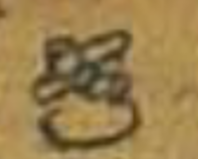
Manuscript
|
I mistook this for 𑌜𑍍𑌰 (jra) for a long time, but upon detailed inspection, this was an obvious one. |
|
𑌷𑍍𑌠
STh
STh
|
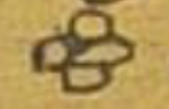
Manuscript
|
Just looks odd. could be two 𑌮's (ma's) |
|
𑌶𑍍𑌰𑍀
sri
śrī
|
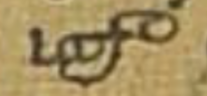
Manuscript
|
This one looks pretty in the typeface. |
|
𑌰𑍍𑌯
rya
rya
|
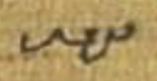
Manuscript
|
I thought this was 𑌯𑍍𑌯 (yya) or 𑌧𑍍𑌯 (dhya) but they did not make meaningful words. |
|
𑌰𑍍𑌤𑍍𑌥
Rttha
rttha
|
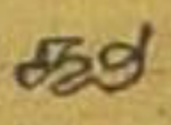
Manuscript
|
The small upward stroke at the end of the loop in 𑌤𑍍𑌥 is the only differentiator. |
|
𑌚𑍍𑌛
Ccha
ccha
|
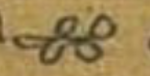
Manuscript
|
Identifying this was only possible based on the words it was a part of. |
|
𑌹𑍍𑌵
Hva
hva
|
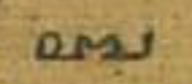
Manuscript
|
The manuscript merges the characters horizontally, whereas the typographic form is vertically stacked. |
|
𑌞𑍍𑌚𑍍𑌛
Ñccha
ñccha
|
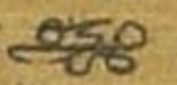
Manuscript
|
Once we identify 𑌞𑍍𑌚 and 𑌚𑍍𑌛, this one is easy to identify since it is the only character that contains both of them. |
|
𑌣𑍍𑌡
NDa
ɳɖ
|
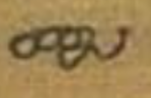
Manuscript
|
A bit obvious, but different from the typographic form. |
|
𑌨𑍍𑌧
ndha
ŋdʱ
|
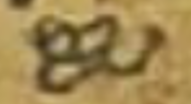
Manuscript
|
This glyph looks much different from the typographic form and hence made it confusing. |
|
𑌨𑍍𑌵𑍍𑌰
nvra
ŋvra
|
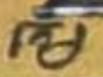
Manuscript
|
This grapheme cluster, again, is easier to identify in retrospect, but since it's not a common glyph in Devanagari, it was not immediately obvious. The character 𑌨𑍍𑌵 is the same minus the lower loop. |
|
𑌰𑍍𑌦𑍍𑌧
rddha
ɾdʱ
|
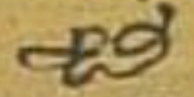
Manuscript
|
Similar to 𑌰𑍍𑌤𑍍𑌥 (rttha) The only difference from 𑌦𑍍𑌧 is the loope at the end. |
|
𑌶𑍍𑌮𑌿
Shmi
śmī
|
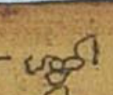
Manuscript
|
Becomes obvious eventually. |
|
𑌸𑍍𑌫𑍁
Sphu
sphu
|
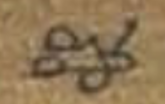
Manuscript
|
A very unique grapheme cluster, but hard to identify what consonants it was composed of. |
|
𑌸𑍍𑌥
Stha
stha
|
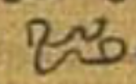
Manuscript
|
Only obvious after being able to identifying the characters individually. |